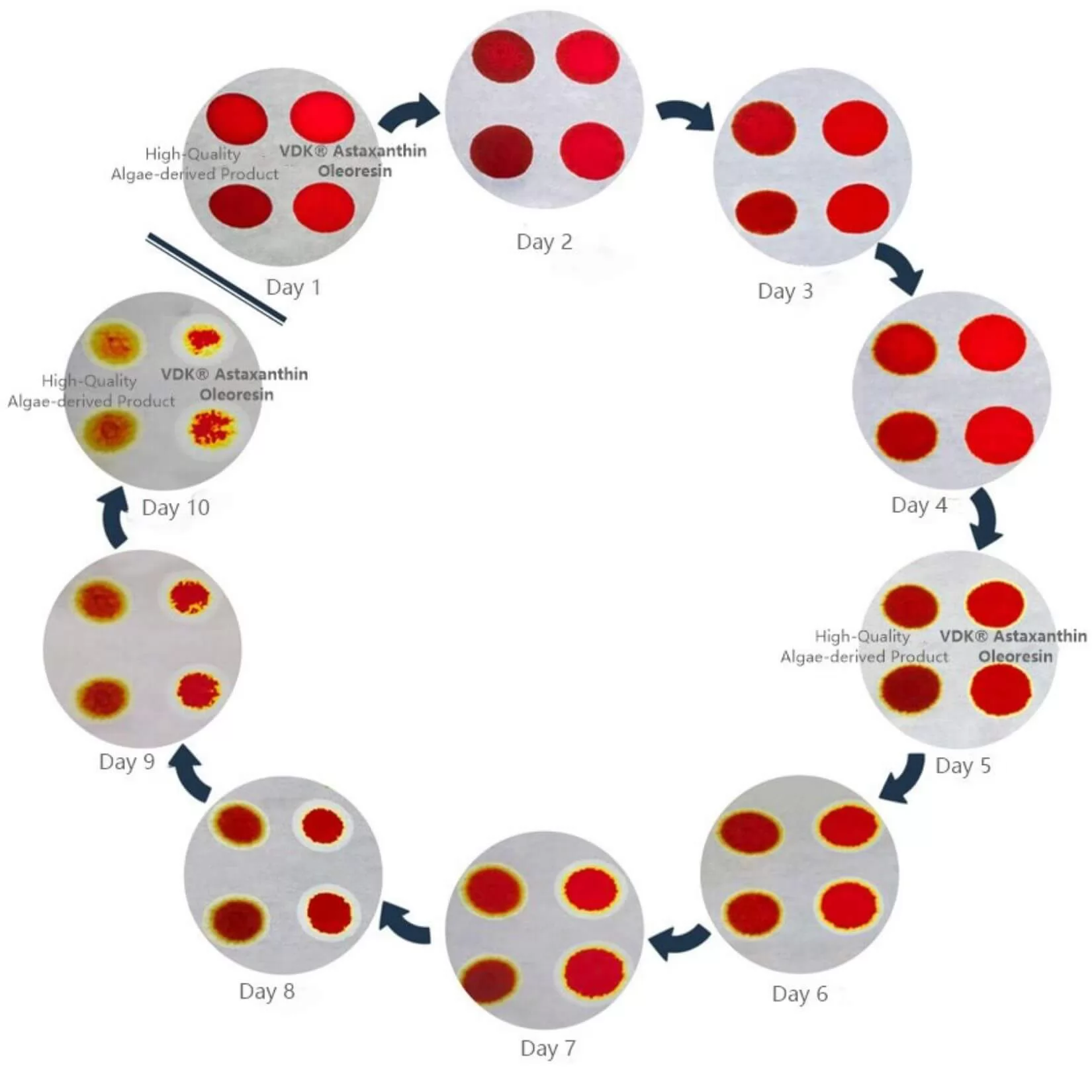
Physical Properties
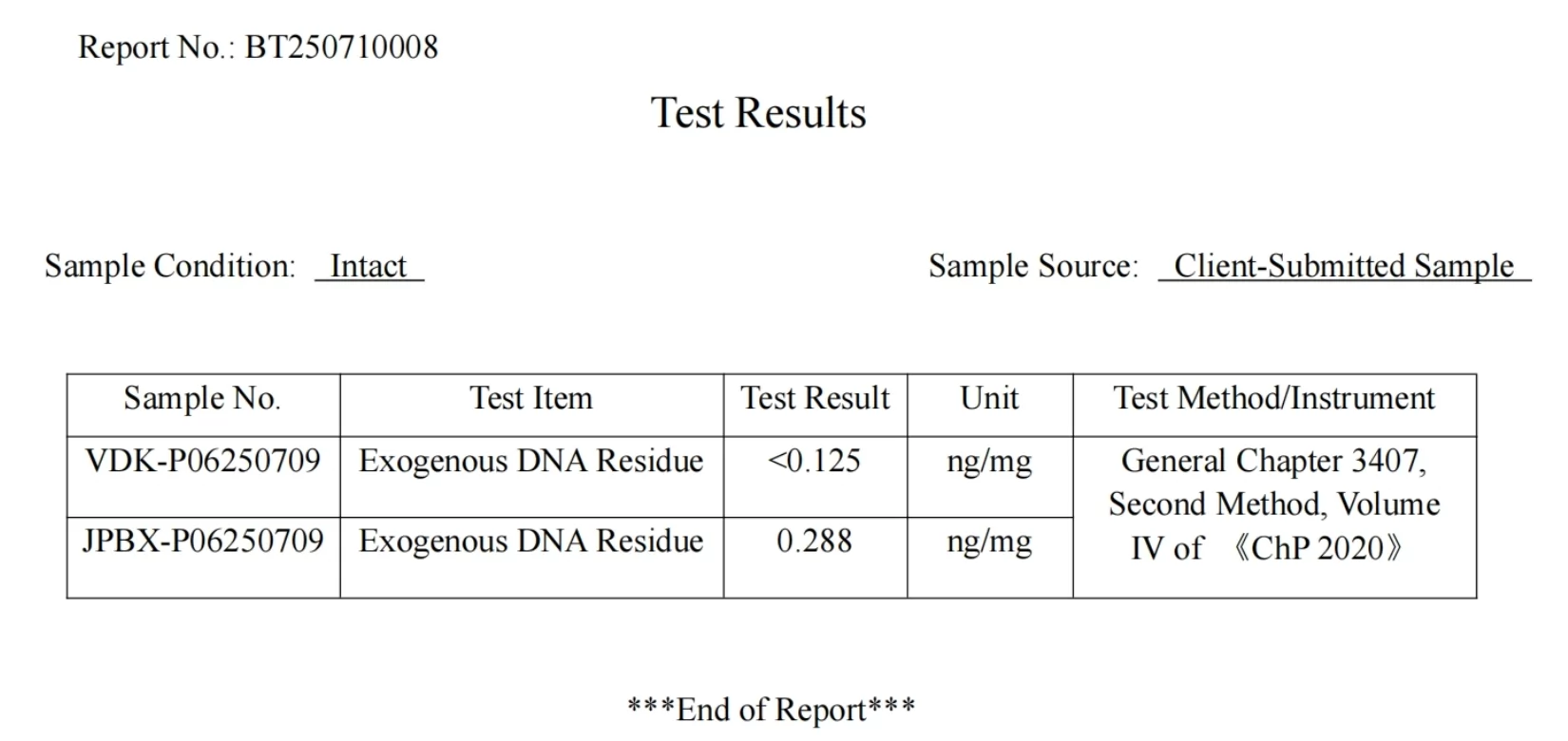
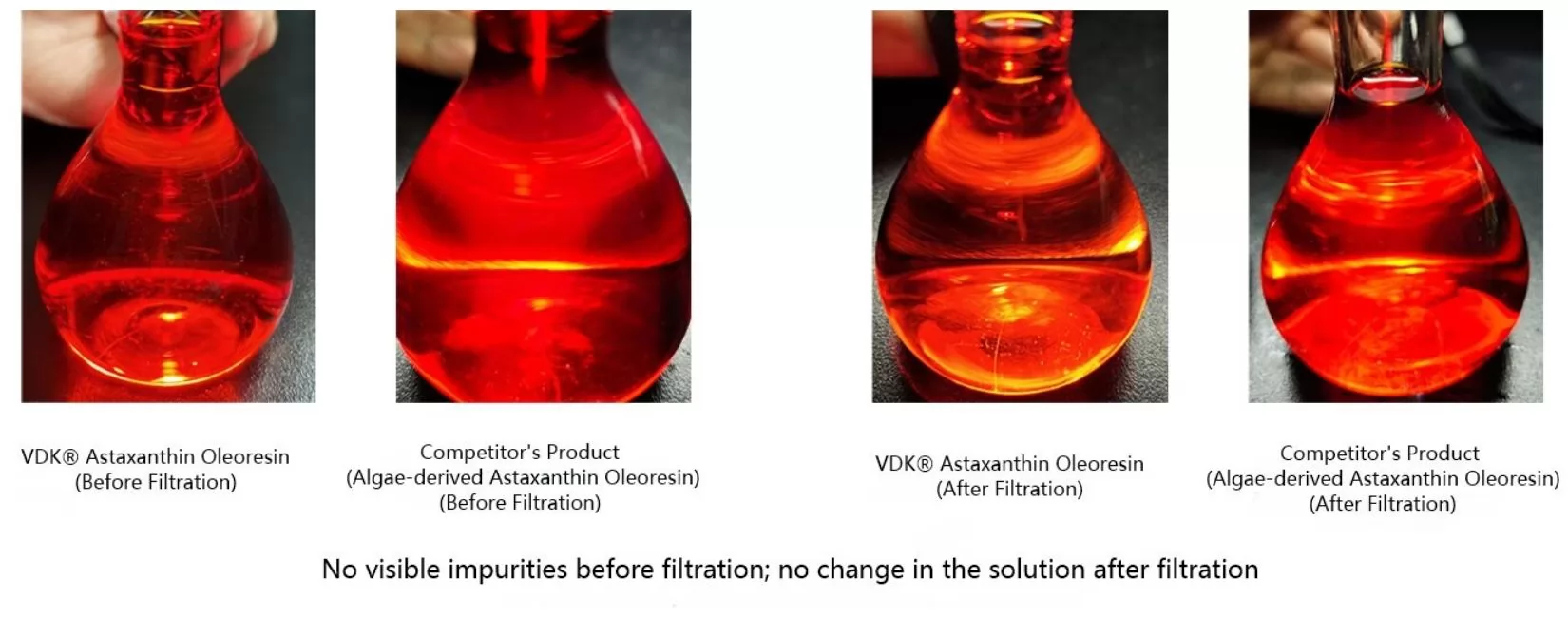
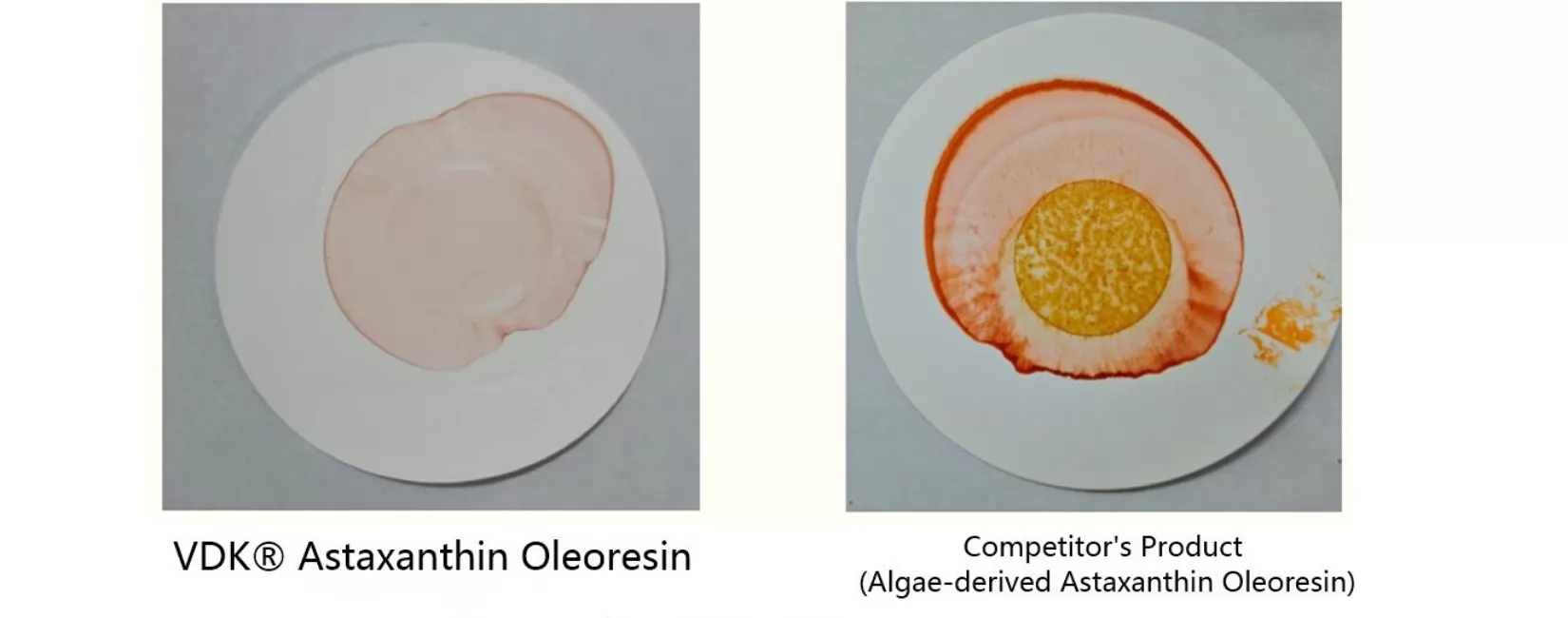
Pure, transparent, bright and vivid are the appearance characteristics of VDK® Astaxanthin Oleoresin, with no peculiar smell and excellent color!
The figure below shows VDK® Astaxanthin Oleoresin, which perfectly interprets these four core characteristics:
 VDK® Astaxanthin Oleoresin
-
Pure
VDK®Astaxanthin Oleoresin has no suspended impurities, precipitates or stratification, being pure and clean.
-
Transparent
Although VDK®Astaxanthin Oleoresin has a rich color, it still maintains a clear and transparent texture instead of turbidity. This “transparency” is a significant symbol of high-quality astaxanthin oil.
-
Bright
“Bright” refers to the luster and freshness presented by the oil. VDK® Astaxanthin Oleoresin has a smooth surface, reflecting bright luster, with full and vibrant overall color, like flowing ruby liquid. This bright appearance indicates the freshness and strong antioxidant activity of the astaxanthin component in it.
-
Vivid
This is a striking visual feature of VDK® Astaxanthin Oleoresin - a vivid, intense and unique red color, which intuitively shows its high concentration and natural source!
Zero Pheophorbide Toxicity Risk
Pheophorbide, whose harmful effects mainly come from its strong light-sensitivity and tendency of accumulation in the body. It offers no beneficial dose effect in normal astaxanthin use — whether taken orally or applied on skin. Instead, it only introduces safety risks. This is the key reason why the USP standard strictly limits its content (≤0.02%). The specific harmful effects are as follows:
1. Photosensitivity Toxicity (Phototoxicity):
Pheophorbide is a highly active photosensitizer. Once it enters the body through oral intake or skin contact, it accumulates in the skin, mucous membranes and surrounding tissues. When exposed to sunlight (ultraviolet or visible light), it produces large amounts of singlet oxygen and reactive oxygen species through a photodynamic reaction, leading to phototoxic dermatitis. Symptoms include redness, swelling, blisters, burning pain, and pigmentation. It can also cause skin necrosis or photosensitive conjunctivitis in severe cases. This phototoxicity is dose-dependent — even small amounts of buildup can increase the risk of a photosensitive reaction.
2. Oxidative Stress Damage:
Even without light exposure, pheophorbide can mildly trigger oxidative stress in the body and disrupt the balance of oxidation and reduction inside cells. It damages cell membrane lipids, proteins and nucleic acid structures. Even tiny amounts intake in a long-term may increase the metabolic burden on cells, interfere with normal tissue and cell functions.
3. Potential Risks from Tissue Accumulation:
Pheophorbide is a highly active photosensitizer. Once it enters the body through oral intake or skin contact, it accumulates in the skin, mucous membranes and surrounding tissues. When exposed to sunlight (ultraviolet or visible light), it produces large amounts of singlet oxygen and reactive oxygen species through a photodynamic reaction, leading to phototoxic dermatitis. Symptoms include redness, swelling, blisters, burning pain, and pigmentation. It can also cause skin necrosis or photosensitive conjunctivitis in severe cases. This phototoxicity is dose-dependent — even small amounts of buildup can increase the risk of a photosensitive reaction.
4. Indirect Interference with Product Effectiveness:
As an impurity, pheophorbide competes with astaxanthin for human body absorption, which will slightly reduce astaxanthin’s bioavailability. At the same time, its own tendency to oxidize and degrade can accelerate the oxidation and inactivation of astaxanthin, weakening astaxanthin’s core benefits (antioxidant and anti-inflammatory effects) and lowering the product’s actual value.
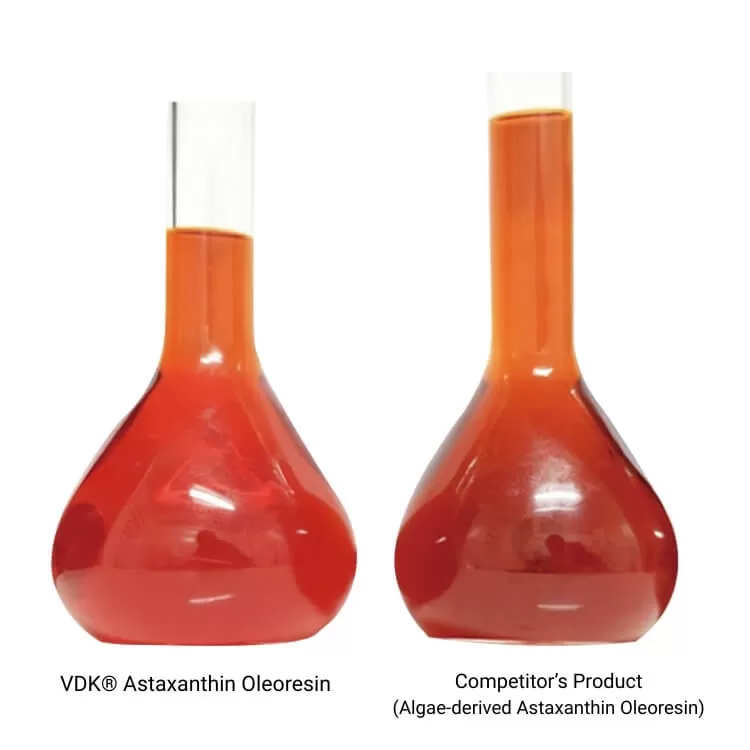
VDK® Astaxanthin Oleoresin : Zero Pheophorbide Toxicity Risk
Stable Supply
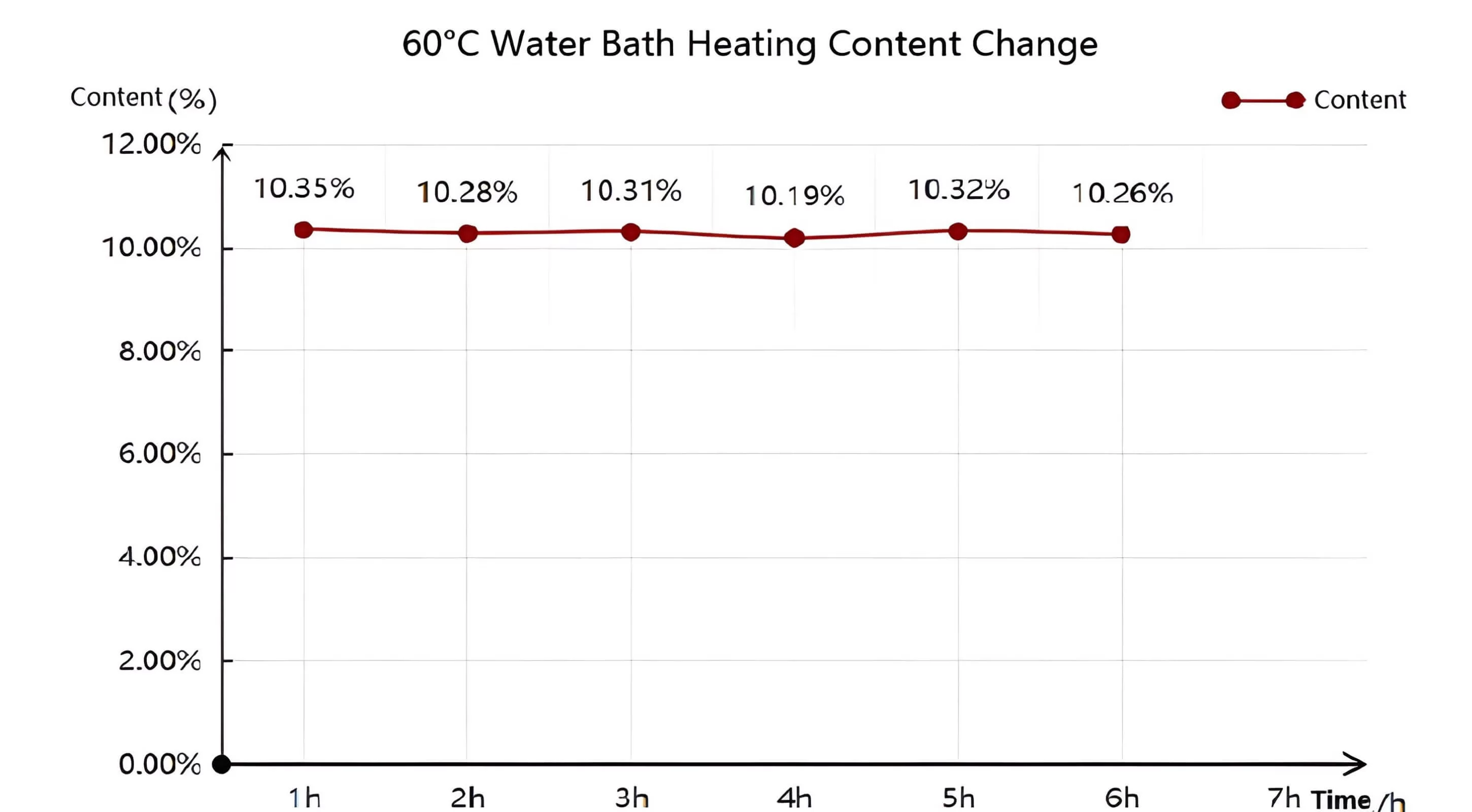
Biosynthesis of VDK Astaxanthin Oleoresin is not constrained by the natural environment, eliminating the influence of seasonal, regional, and raw material fluctuations at the source. Therefore, VDK Astaxanthin Oleoresin achieves high batch-to-batch consistency and stable, controllable quality, providing a reliable raw material guarantee for high-quality products. Moreover, it is unaffected by extreme climates, ensuring a stable and dependable supply chain and sustainable raw material availability.

 EN
EN
 English
 CN
CN